

Or is there?
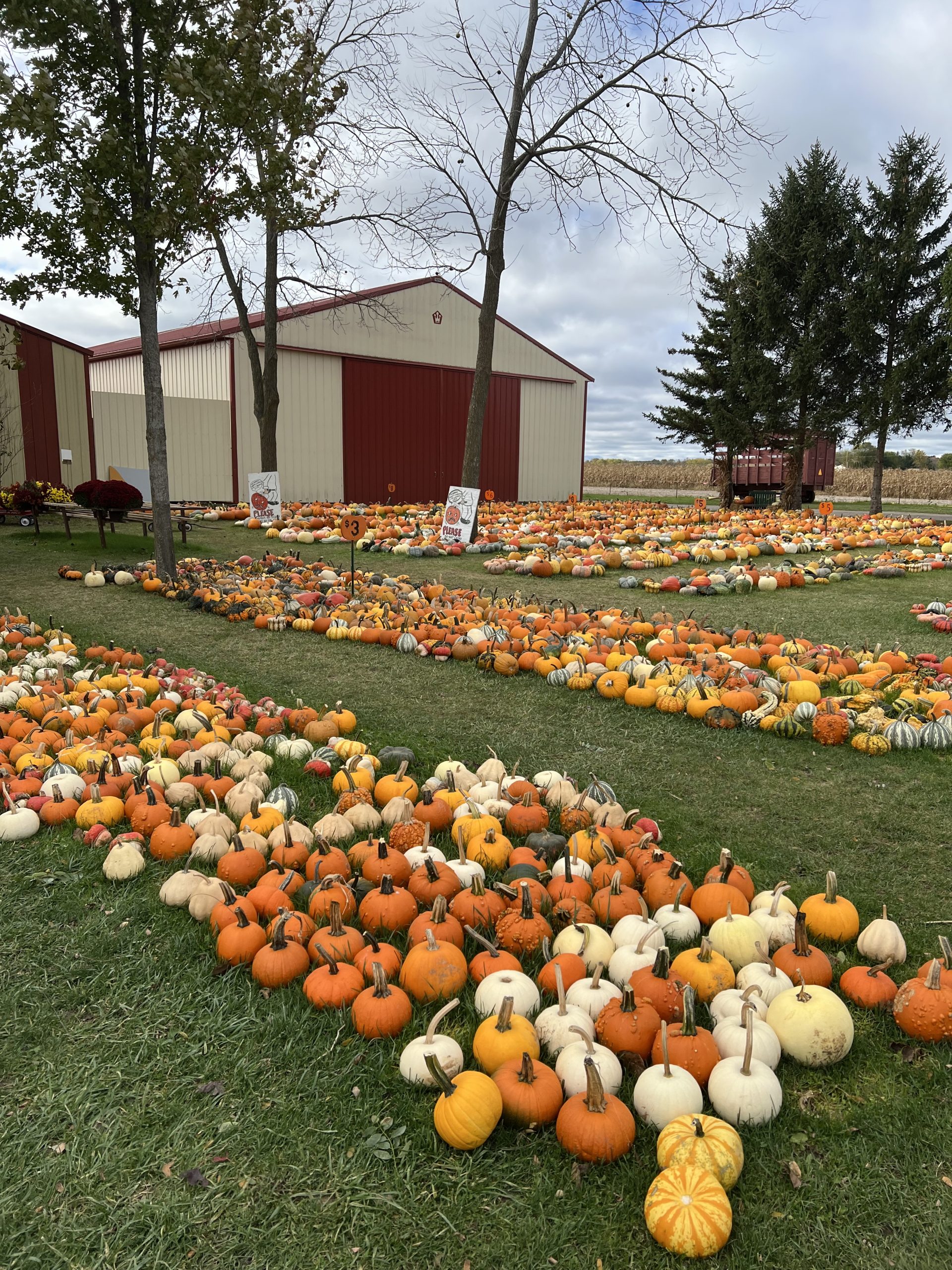
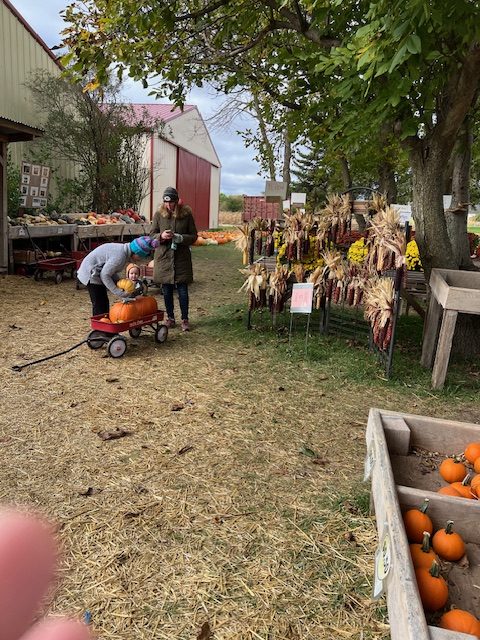
This wondrous display of an October Harvest is about 5 miles down the road from where I live in Wisconsin and it is ENORMOUS, GARGANTUAN, and “Mouth Dropping”—to say the least!
BUT, to be clear and rather picky, this is not actually a “pumpkin” harvest because a large portion of this glorious display are smallish colorful squashes. And… In fact, if you want to get very technical about this, my in-depth research (haha) reveals that pumpkins are actually a type of winter squash!

But I am really being too picayune, Eh?
A pumpkin is a type of winter squash, but “squash” is a broader category that includes both summer and winter varieties. The main difference is that pumpkins are often rounder and used for decoration or baking, while other squash types can be more varied in shape and size, with some being better suited for roasting or other dishes. Both are botanically fruits and are often used interchangeably in recipes, though the flesh of a pumpkin can be stringier than that of a common cooking squash like butternut.
